

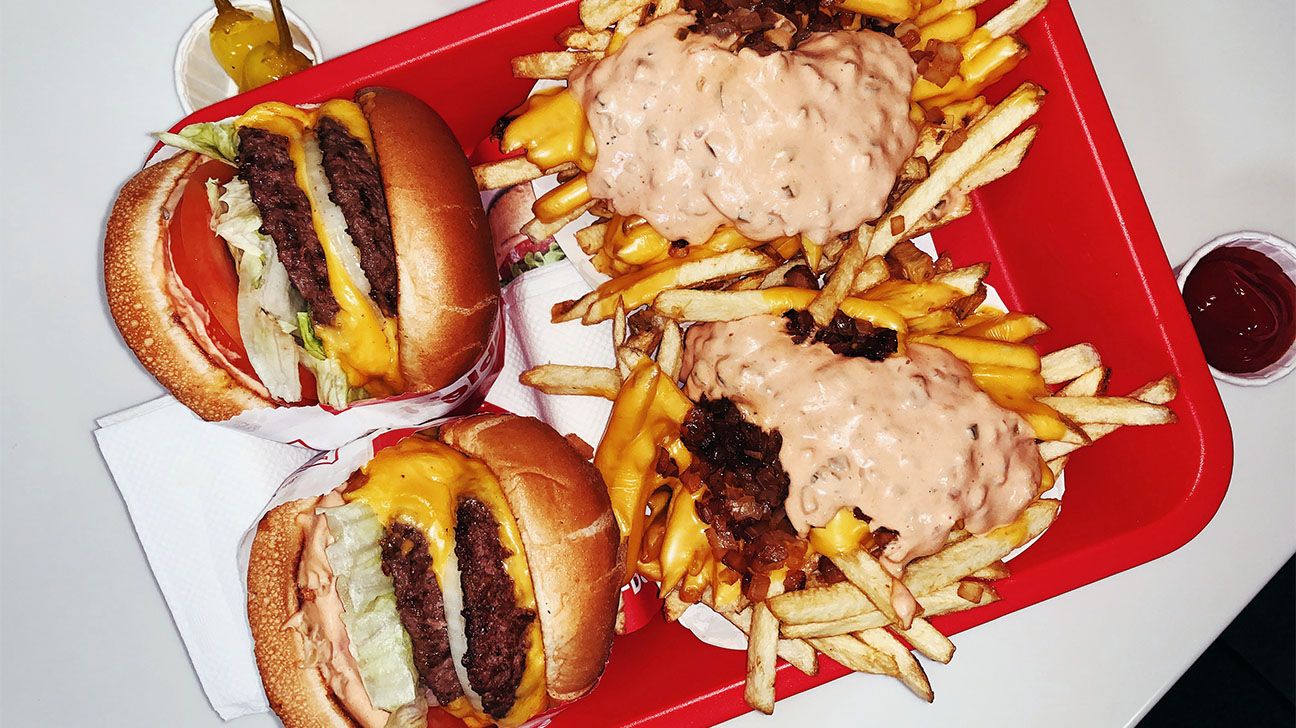
- A recent review concluded that ultraprocessed foods (UPFs) are potentially just as habit-forming as cigarettes.
- The study authors found that UPFs are engineered to maximize pleasure and hasten the absorption of reinforcing ingredients.
- The habit-forming nature of these foods suggests they fuel uncontrollable eating and disrupt appetite regulation.
- Study contributors suggest that UPFs ought to be governed by controls comparable to those for tobacco products.
At present, there is not a agreed-upon definition of ultraprocessed foods. Certain experts define them as products that contain components you are unlikely to have in a personal cupboard, like emulsifiers and additives.
A lot of dietitians use the NOVA system to classify UPFs. This refers to products that contain “formulations of ingredients, primarily of manufacturing origin, often created by a set of industrial techniques and processes.”
One new paper published in The Millbank Quarterly indicated that ultraprocessed foods could be as addictive as tobacco products.
“I agree with this study, as ultra-processed foods are specifically engineered to be extremely attractive to the majority of people,” commented a weight loss specialist who was not involved in the study.
A study from 2023 suggests that over 73% of the food supply in the US are highly processed.
“Cigarettes and UPFs are not simply natural products but carefully designed delivery systems engineered deliberately to optimize physical and mental reward and repeated intake,” explained the new study’s scientists.
Are Ultraprocessed Foods Addictive?
This analysis synthesized findings from addiction, historical health policy, and nutrition to identify textural and compositional characteristics that enhance the addictive quality of both tobacco and ultraprocessed foods.
“It’s not all people is ‘hooked’ to these foods, but for a significant portion, they elicit classic addiction-like behaviors: strong cravings, inability to stop, and continued use even with negative health effects,” said a heart health nutrition expert.
“These products are deliberately engineered with refined carbs, added fats, salt, and taste additives to optimize reward and ongoing intake, and the industry uses aggressive marketing tactics, especially targeting young people,” she added.
Scientists focused on several important factors:
- delivery speed
- hedonic engineering, or designing foods to be extremely pleasurable
- dose optimization
- widespread availability
- deceptive reformulation, or “health washing”
The study concluded that, like tobacco, UPFs are carefully calibrated to deliver the right dose of sugar.
“Refined carbohydrates stimulate the feel-good chemical release through the a key neural pathway, while lipids do so via fat detection in the gut,” the authors explained.
“… Ultraprocessed foods with significant amounts of refined carbohydrates and extra oils are some of the most strongly reinforcing substances in the modern diet. Importantly this refined carbohydrate-fat combination is almost nonexistent in nature.”
How such products quickly introduce “feel-good” chemicals to the brain renders them likely habit-forming, similarly to cigarettes.
The paper explained that while cigarettes are engineered to deliver nicotine rapidly, UPFs are engineered to be broken down and absorbed quickly, as they typically have minimal fiber. This allows for the body to metabolize fat and sugar faster.
Authors also note that UPFs give intentional intense tastes that dissipate rapidly and mouthfeels that dissolve easily. This all helps to deliver more dopamine and prompts individuals to eat more.
‘Health Washing’ in Cigarettes, Ultraprocessed Foods
Based on the analysis, both the tobacco and processed food industries have long used a tactic called “health washing.”
This refers to when products are advertised and altered to generate an perception of reduced harm while maintaining the essential of their qualities.
This tactic in the tobacco industry gained traction in the mid-20th century with the advent of filter tips on smokes.
These were marketed as safety features that would trap tar and particles prior to they reached the respiratory system. The truth is, these tips provide minimal significant protection.
Yet, people often adjusted by inhaling deeper or smoking more frequently, which negated any decrease in toxin exposure.
The food industry has taken a comparable strategy. It employs labels such as “reduced fat” or “sugar-free” to market UPFs.
However, these items often retain the very addictive ingredient combinations. The problem is that these changes offer a surface-level impression of health while the product’s habit-forming nature and health risks remain intact.
Ought UPFs Be Regulated?
The researchers noted at the conclusion of their review that food and smoking products are fundamentally different.
Nevertheless, they cautioned that some ultraprocessed foods function like engineered products rather than real nourishment. They proposed that health regulations should reflect this distinction.
“Cigarettes provides a warning, and tobacco control offers a source of hope,” the researchers stated.
Because of regulations, smoking rates in the United States have fallen and have “altered public perception of tobacco and diminished confidence in the industry.”
“It is my opinion increased education about the harmful effects of UPFs is crucial to lower public intake and improve public health. The strategies used to curb tobacco use have been successful and may be a useful blueprint for ultra-processed foods as well,” commented one specialist.
“I don’t think UPFs ought to be controlled precisely like tobacco, but they certainly deserve more robust, smoking policy-based measures: marketing restrictions, obvious packaging warnings, tighter standards on health claims, and limits in educational institutions or medical facilities,” noted another nutrition professional.
The authors pointed out to people that minimally processed and whole foods have sustained human health for thousands of years.


